Erin Godecke - Discovery Grant Winner
Aphasia Intervention
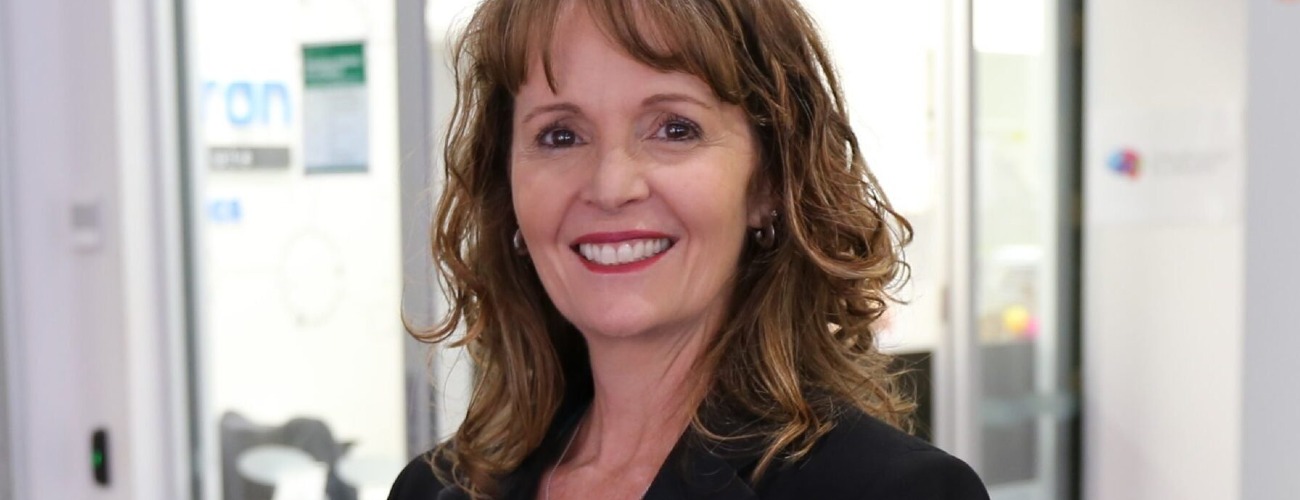
Erin Godecke is the Director of Allied Health Research at Sir Charles Gairdner Osborne Park Health Care Group and Senior Research Fellow at ECU and received a Charlies Foundation for Research Bright Ideas Grant (2023/24) for her project “Determining dose limiting factors for aphasia intervention in clinical trials.”
Aphasia is an acquired language difficulty that occurs when areas of the brain responsible for language are damaged due to stroke, traumatic brain injury, brain tumor, a type of dementia called Primary Progressive Aphasia, and epilepsy. Affecting approximately 140,000 people in Australia, the condition causes difficulty speaking, understanding, reading, writing, using numbers and communicative gestures.
To address the problem of including people in early therapy for Aphasia, Erin and her team had to re-structure their original research to include people with aphasia earlier in their research process (research co-design). Research co-design is a collaborative approach where people with lived experience work with researchers to shape research ideas, questions, methods, and outcomes. The original research targeted what patients in early recovery thought was important in early treatment but from a clinician perspective. The early findings showed that the questions were not relevant to people in early recovery stages and the research pivoted to a new focus.
Erin stated: “Initially, I wanted to get the project completed and the answers ticked off. I realised pretty quickly that we’d not planned the research (despite this being part of a PhD project) adequately and not used true co-design. This was a big sticking point for the project.
This funding From Charlies Foundation for Research allowed us to redesign the project and take direction from people who we were ultimately trying to help recover. The insights this gave a multifaceted and have had a ripple effect into all other aspects of our clinical practice and research design.”
The project’s overarching benefits are that the research is now fully co-designed, solidifying a strong working network with researchers and affected patients with their own lived experience, to help guide future research and early recovery. The progress of this project has also helped staff increase their capacity and knowledge regarding the process of undertaking co-design research, and has allowed the overall project to be submitted to Edith Cowan University to be re-shaped into a PhD or Masters degree for someone to continue the work.
The resulting impact from the Charlies Foundation for Research funding allowed a clinician who had not done research before to be involved in the process in a very supported environment. It meant quarantined time for them to focus on being curious and learning the scientific way to conduct research co-design and to answer qualitative questions and do qualitative research helping to understand the ‘why’ of the scientific question they were asking.
For Erin, the funding helped her to be able to train a new clinician to start research, but it also helped ensure the information was right before putting it into new projects.
“We are now way better informed and we’ve been able to use what we learned in this project to develop new grants, interpret information on existing grants and work with people with lived experience to plan bigger projects.” Says Erin.
The team are now working on a large-scale follow-up study to do a ‘nested study’ (study within a study) looking at the effects of early aphasia therapy in long-term recovery and the role that therapy plays in motivation, success and long-term recovery.
This research advances knowledge by strengthening how people with aphasia are meaningfully included in health and rehabilitation research, from study design through to dissemination.